
Prison Partnership
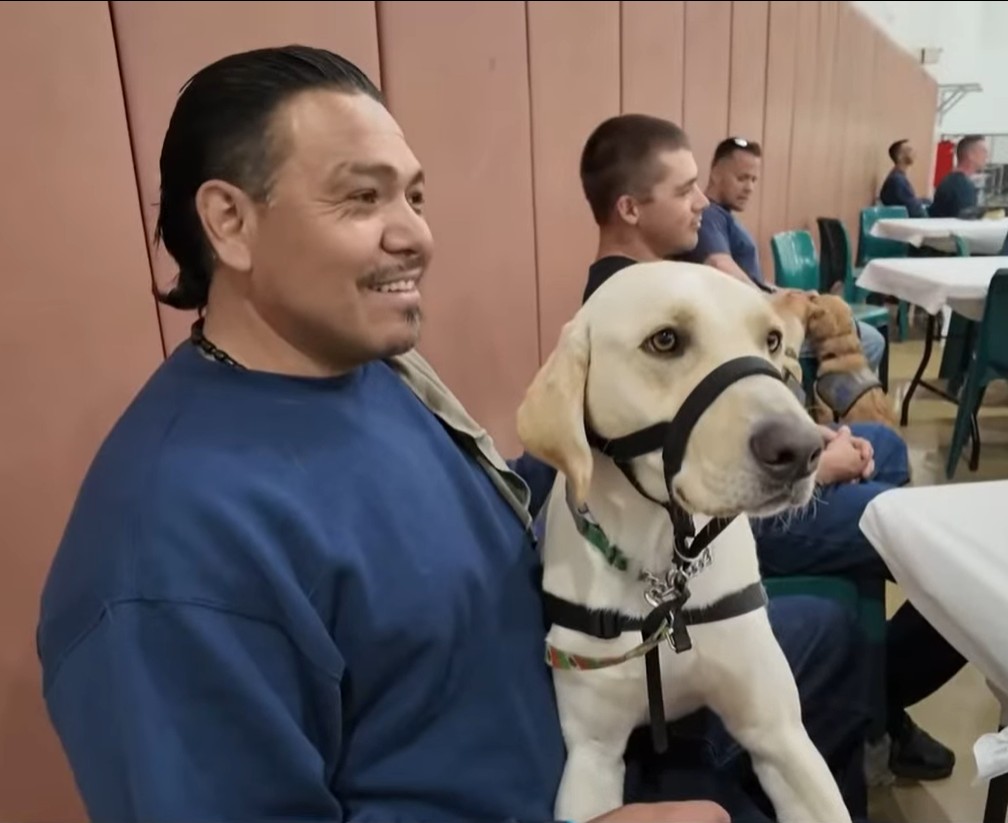
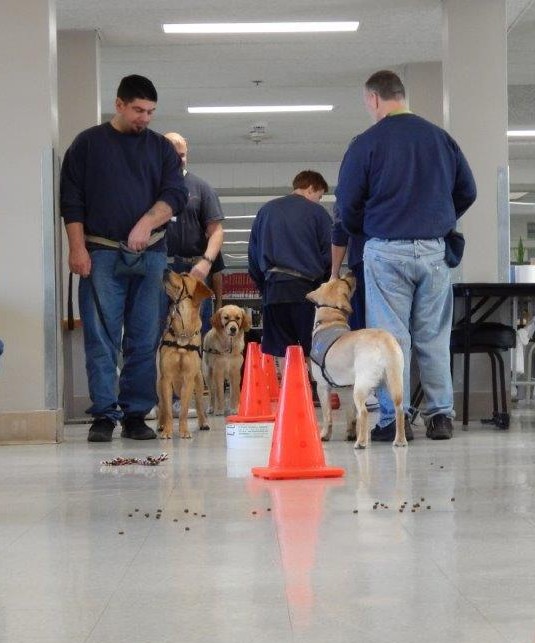
We are proud to partner with the Oregon Department of Corrections and two of Oregon’s Correctional Institutions, giving adults in custody a purpose to live more positive and productive lives, while contributing to the community as dedicated JLAD trainers.
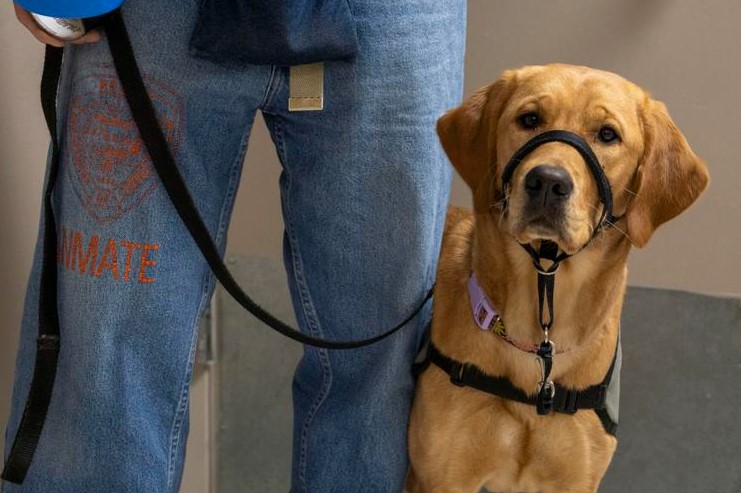
Our Partnership
The JLAD Service Dog Program within Oregon’s Department of Corrections (ODOC) began with a simple moment of inspiration. In 2015, Captain Jeff Frazier of Eastern Oregon Correctional Institution (EOCI) heard a story about a prison-based service dog program out of Washington State. Intrigued, he reached out to learn more and was soon connected with Joy St. Peter, Founding Director of JLAD based in Salem, Oregon.
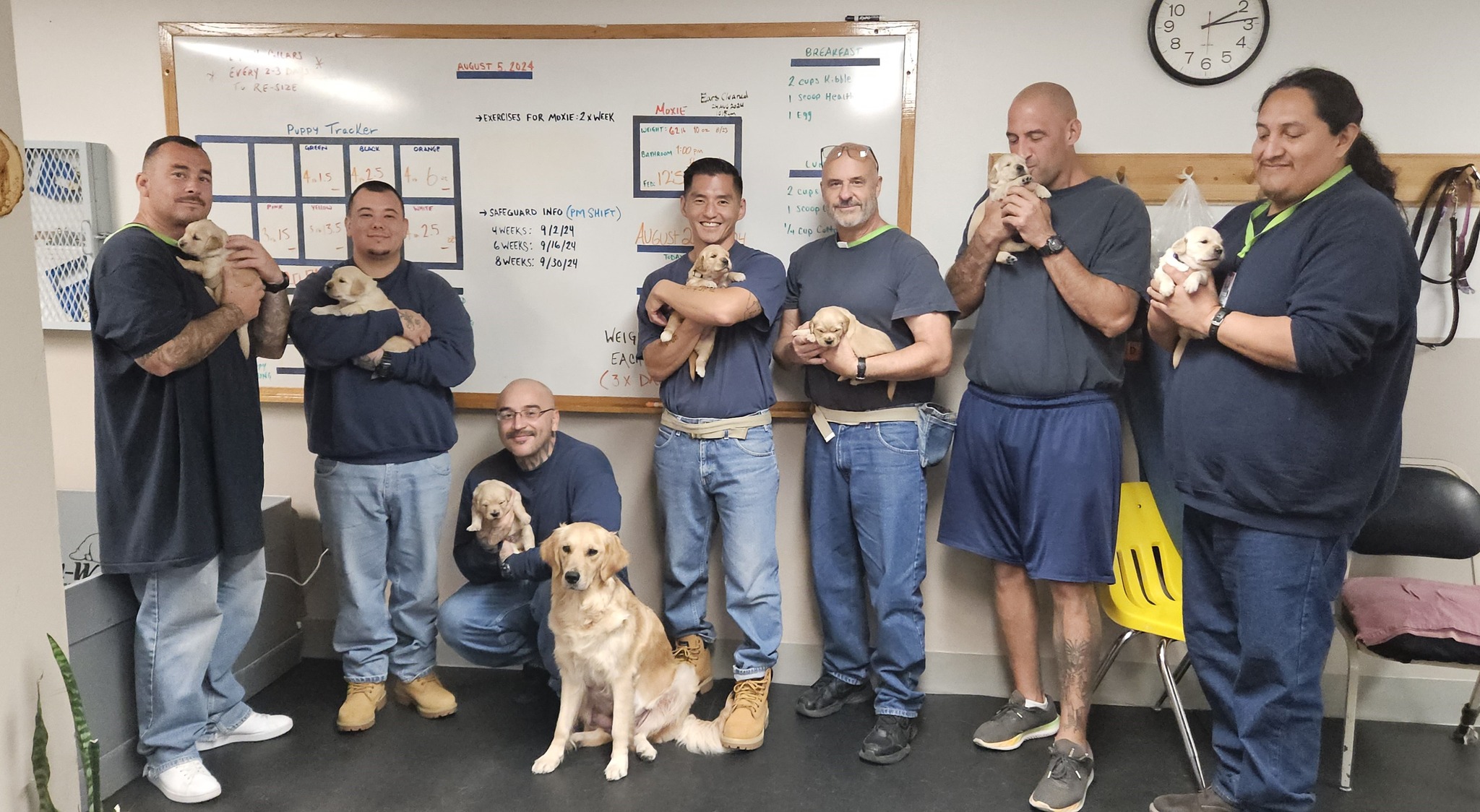
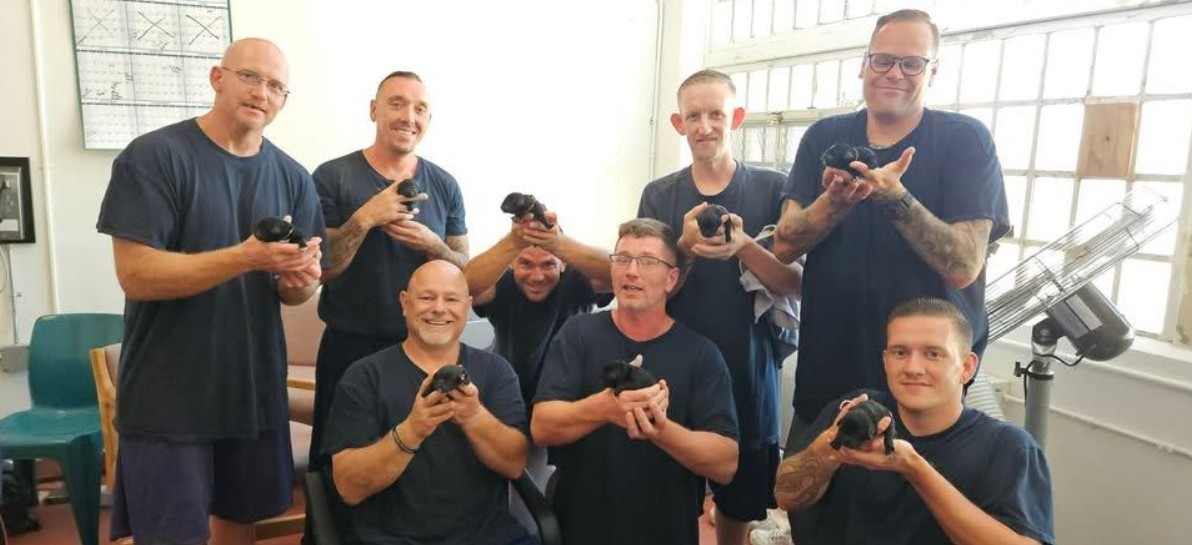
Together, Captain Frazier and Mrs. St. Peter envisioned bringing a similar program to EOCI. With support from then-Superintendent Jeri Taylor, a proposal was approved, and the first JLAD Service Dog Program Team was formed. By early 2016, adults in custody (AICs) were selected and trained as handlers, and in March of that year, eight puppies arrived at EOCI to begin their journey toward becoming service dogs.
Making an Impact
Despite challenges from the COVID-19 pandemic, the program has endured at EOCI and at Oregon State Correctional Institution (OSCI) where it is celebrated through the Passing of the Leash ceremony – an event where trained service dogs are placed with their long-awaited recipients.
From those first 36 training cues to more than 90 today, the program has grown into one of ODOC’s most impactful rehabilitative efforts. JLAD not only provides life-changing service dogs to veterans, First Responders and individuals with disabilities, but also transforms the lives of the AIC handlers.
Today, JLAD’s service dogs have achieved a 70% success rate, with nearly 300 AICs contributing to the program. Participants learn empathy, patience, responsibility, and teamwork–skills that support successful re-entry and reduce recidivism. This program does so much more than enhance the dog’s training, it provides meaningful life skills and rehabilitation for each of the AIC handlers that touch every JLAD service dog.
The program has been immensely beneficial and its impact is felt across Oregon and beyond: Service dog recipients gain independence and healing, while AIC handlers experience personal growth and a renewed sense of purpose through the unconditional love the dogs bring. This program has positively impacted each and every AIC as well as the culture within the correctional institutions.
The JLAD Service Dog Program stands as a model of compassion, rehabilitation, and community connection—a shining example of the Oregon Department of Corrections’ commitment to normalizing and humanizing the lives of those in custody while creating lasting change in the wider community.


Hear From our Former AICs
DANIEL PIERCE
Currently working as a dog trainer and is applying to get his CCPDT, Certification Council for Professional Dog Trainers
I want to share something I think is really important. On three separate occasions, we’ve had dogs that needed to go to the emergency vet. Because of the mock vet exams we’ve done, I was able to confidently recognize what was going on and properly check vitals to determine whether further care was needed. That training directly translated into real-life situations, and it made a huge difference.
I think sometimes those mock exams get overlooked, but they’re actually incredibly valuable. People were impressed with how calmly and accurately things were handled, and honestly, it’s because of the training. It gave me the confidence to make the right call in the moment. I really appreciate that JLAD includes that kind of hands-on prep because it genuinely matters when it counts.
ARMANDO CERVANTES
Currently has his own dog training business
For over a decade, I have dedicated my career to helping owners build clear, confident, and lasting connections with their dogs. Throughout my journey, I have had the privilege of volunteering and working closely alongside highly respected trainers whose mentorship profoundly shaped my understanding of dogs and effective training practices. A significant portion of my experience was developed in collaboration with JLAD, a well-established nonprofit organization known for training exceptional service dogs—an experience that fundamentally influenced my standards, ethics, and approach to training. I really do appreciate Joy of JLAD for all the support, help and everything l’ve learned.
I was part of the very beginning of the JLAD service dog training program at the Eastern Oregon Correctional Institution in 2016. At the time, I could not have fully understood how deeply that program would affect my life—but looking back now, I can say without hesitation that it changed me in ways few things ever have.
While incarcerated, it is easy to become emotionally closed off. Affection, trust, and physical comfort are things you learn to live without. Being part of the JLAD program was the first time I felt genuine affection and physical love on the inside,
Training a service dog gave me responsibility, purpose, and accountability. For the first time in a long time, I wasn’t focused on my past mistakes—I was focused on doing something right. I was helping to shape an animal that would go on to change someone else’s life. After taking from the community for so long, this program allowed me to finally give something meaningful back.
The program didn’t just train dogs; it trained people. It taught patience, empathy, consistency, and self-control. It reminded me that I was still capable of care, kindness, and growth. It helped me see myself as someone who could contribute, not just someone defined by my worst decisions.
I am deeply grateful to everyone who believed in this program when it was just beginning—those who brought it into the facility, supported it, and trusted incarcerated individuals with something so important. JLAD gave me hope at a time when hope was hard to come by, and it left a lasting impact on who I am today.
Thank you for creating and sustaining a program that restores dignity, builds compassion, and changes lives—both human and canine.
Dear Joy,
I’ve tried a bunch of times in my head to write this, because what you gave me isn’t something you “thank somebody for” in a quick sentence. It’s bigger than that. It’s one of those things that changes your whole operating system.
When I came to prison, I was a teenager. I was terrified, sentenced to life, and I did what a scared kid with a life sentence does in that environment—I went right back into gangs and survival mode. I wasn’t learning how to live. I was learning how to last. I spent decades inside, and too many of those years were spent in segregation and solitary. For a long time, prison didn’t rehabilitate me. It hardened me. It sharpened the parts of me that could lie, manipulate, and stay emotionally numb.
Then JLAD showed up.
I remember hearing about the dog program like it was a rumor from another planet—something too good to be real. I remember pushing my way toward it, trying to get an interview, and being scared they wouldn’t pick me. When they did… I didn’t realize I had just stepped into the first real “turning point” of my life.
Because the dogs didn’t let me fake it.
A dog doesn’t care about your prison reputation. A dog doesn’t respond to hustle, threats, or manipulation. A dog responds to the truth. The work you put in is the work you get back. If I was tense, the dog felt it. If I was harsh, the dog shut down. If I was inconsistent, the dog showed me exactly who I was. That mirror was brutal—and it was healing.
And you, Joy… you were the steady hand behind that mirror.
You didn’t just teach dog training. You taught responsibility without shame. You taught correction without disrespect. You taught patience like it was power. You taught me that tone matters—because tone is intention. I had never learned that. I didn’t grow up with that. I didn’t learn it in gangs. I didn’t learn it in the hole. I learned it from you and from that dog looking back at me, refusing to follow me unless I became someone worth following.
That program did something prison never could: it made me genuine.
It made me accountable in a way I couldn’t dodge. It made me learn empathy not as a word, but as a daily practice. It taught me to regulate myself, to slow down, to communicate clearly, to lead with consistency instead of force. Those aren’t “dog skills.” Those are life skills. Those are community safety skills.
And the research backs up what we lived.
Studies on prison dog programs show they can reduce serious and violent misconduct inside—meaning fewer dangerous incidents and a safer environment for staff and incarcerated people. One large matched study in Washington DOC found reductions in serious infractions and grievances by over 10% for participants (Sustainability in Prisons Project). And other multi-site research in Washington found participants had improved infraction patterns and lower anxiety than non-participants—exactly what we felt happening from the inside out.
That matters because safer behavior inside is not just “good paperwork”—it’s the training ground for coming home safer. It’s a person learning to live without constant conflict. It’s fewer triggers, fewer explosions, fewer moments that turn into lifelong consequences.
And when it comes to returning to the community, reviews of dog-based interventions in correctional settings report improvements in things like stress and social functioning, with evidence pointing toward reduced recidivism as well.
Then there’s the other side people forget: the dogs themselves—and the families who receive them.
These programs report that dogs raised in prison can have a higher success rate becoming service dogs, because of the amount of consistent time and training they receive—one program leader described it as about 10% greater success. That means more people with disabilities get the help they need, sooner. That’s real public good, created inside a place most people assume only produces harm.
Now let me bring it back to what I’m really trying to say:
Joy, you helped turn a kid with a life sentence and a gang identity into a man who can lead. Because of what I learned through JLAD—with you—I came home with purpose. I worked. I went into tattoo school while holding a job, earned my license, worked in a shop, and eventually opened my own business. I navigated setbacks differently because I finally had tools. I later went into the car business, succeeded, and became a financial manager at two different dealerships.
And then I found what I was really meant to do.
Today, I’m the Eugene Regional Director for Oregon Justice Network. I mentor youth. I support people returning home from incarceration. I coordinate monthly events for families impacted by incarceration and poverty—food, haircuts, gym access, giveaways, community connection—and we’re building a youth basketball league. I oversee reentry support for dozens of people in that critical 90-day window: hygiene kits, work clothes, transportation support, job readiness, housing navigation, and mentorship. We’re building partnerships with skilled tradespeople and community leaders so returning citizens can learn from masters—mindset, budgeting, discipline, and real-life tools.
And I need you to know this clearly:
JLAD didn’t just help me “do my time better.” It helped me become the kind of man who could come home and be safe for the community—and then become a person who helps make the community safer.
You planted something in me that never went away: the belief that change is not only possible, but measurable—because it shows up in behavior.
I’ll never forget you believing in me before I had any real reason to believe in myself. I’ll never forget you. I’ll never forget the way you made standards feel like hope instead of punishment.
Thank you, Joy. For your heart. For your patience. For your consistency. For your leadership. I carry what you gave me every day.
With deep love and respect,
Ronnie Allen
Become a Volunteer
Learn how to become a JLAD volunteer today!